
Contact Us

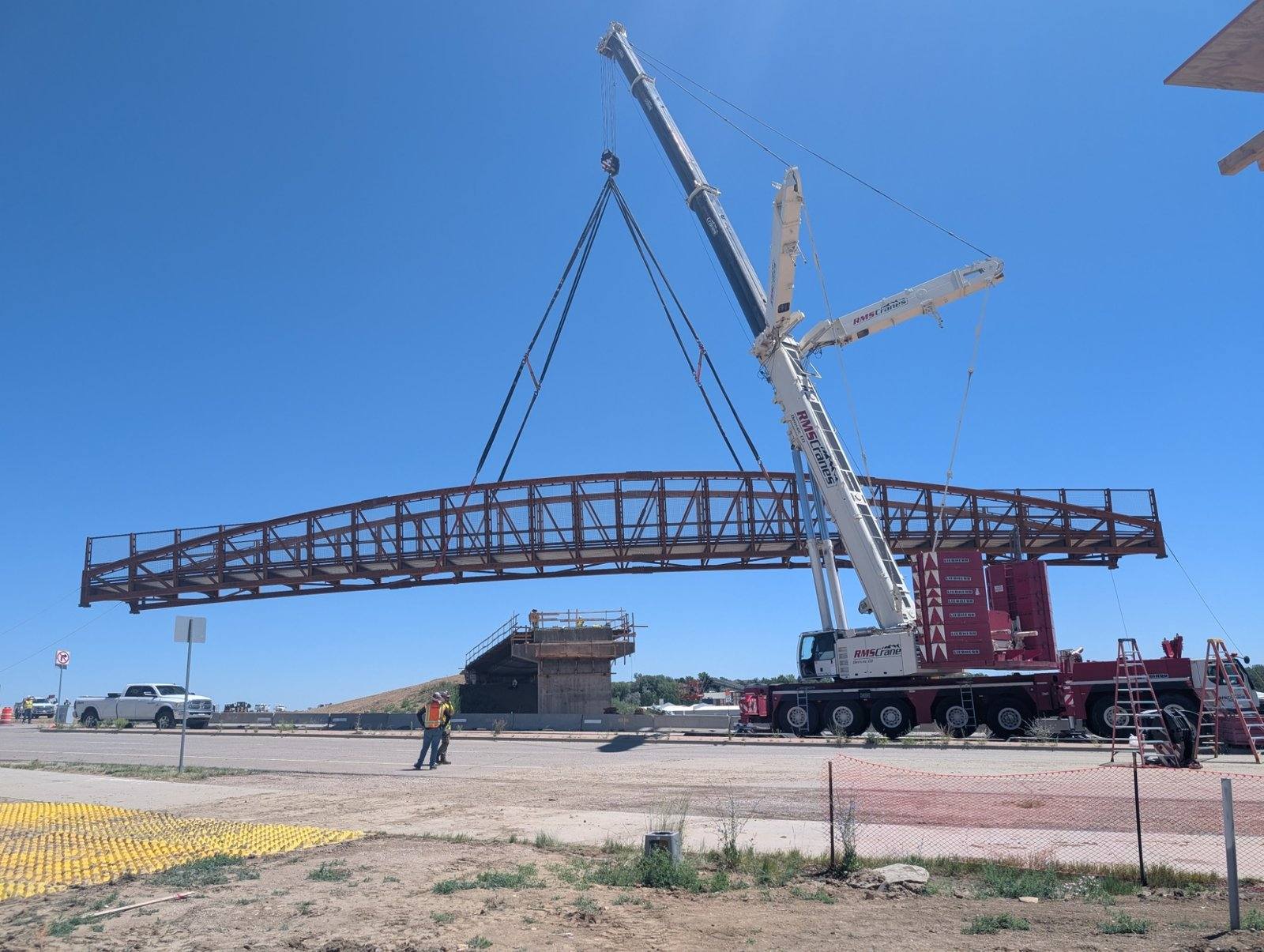
CO 119 Safety, Mobility & Bikeway Project

Transportation

Field and laboratory materials testing for the transformation of the Diagonal Highway between Boulder and Longmont.

  • 10 MICorridor Improved
  • $165MProgram Investment
  • 5Bikeway Grade Separations (4 Underpasses + 1 Overpass)

Reconnecting Boulder County's busiest commuter corridor.

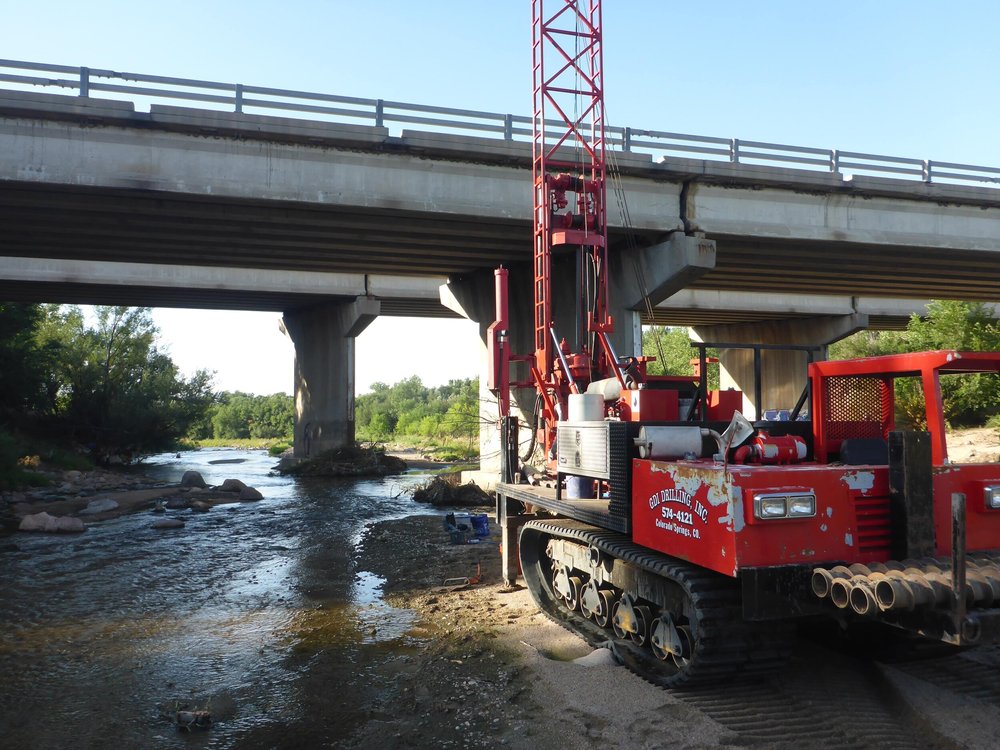
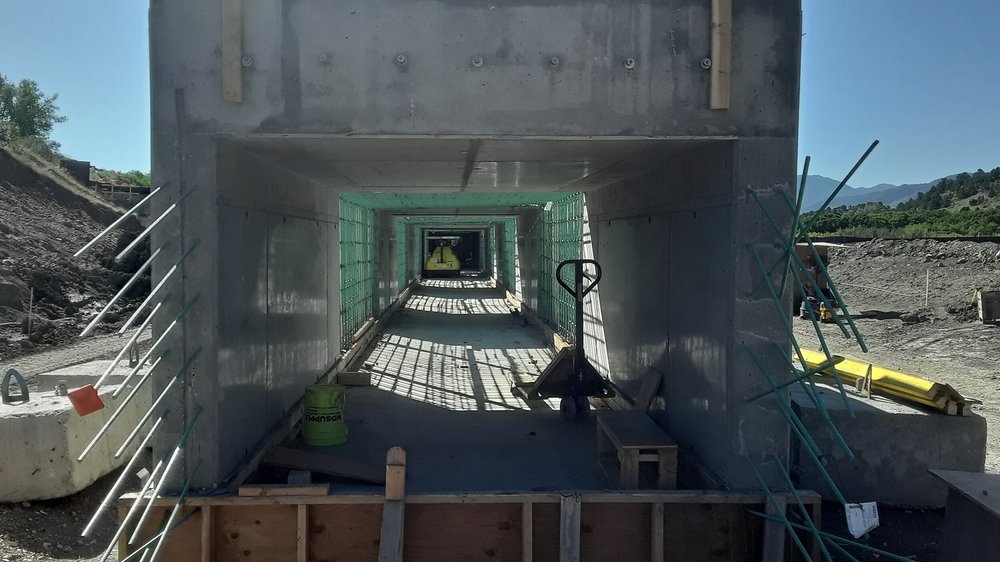
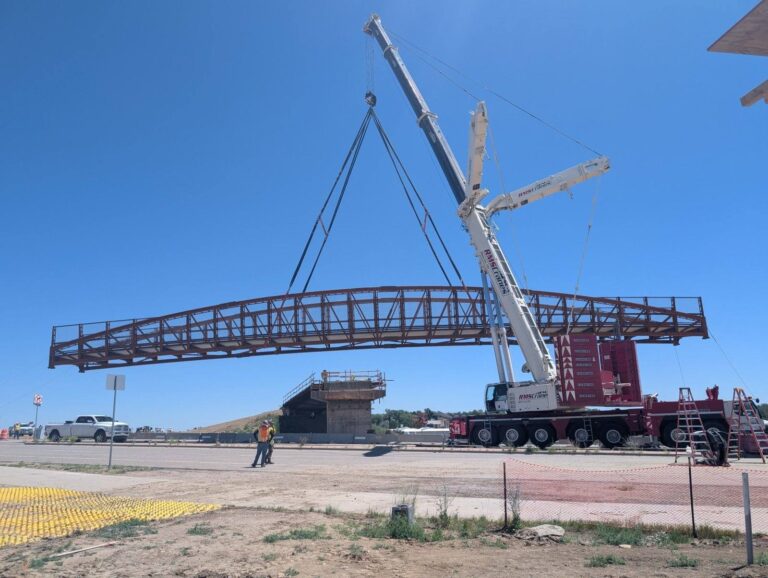
CO 119 — the Diagonal Highway — is Boulder County’s busiest commuter corridor, linking Boulder and Longmont across 10 miles of open farmland and a growing string of intersections. CDOT’s $165 million CO 119 Safety, Mobility & Bikeway Project, delivered in two construction packages with Kraemer North America and funded by CDOT, RTD, Boulder County, and a 2023 federal RAISE grant, is reshaping the corridor from Foothills Parkway to Hover Street. The project adds a separated commuter bikeway running the length of the highway, with four underpasses at CO 119, Niwot Road, CO 52, and Jay Road and an overpass at 63rd Street; new Bus Rapid Transit infrastructure and Park-n-Ride facilities; a reconfigured CO 52 intersection; and safety improvements at intersections along the route. Construction began in September 2024, with completion expected in spring 2027 — all while the highway stays open to the tens of thousands of commuters who depend on it every day.

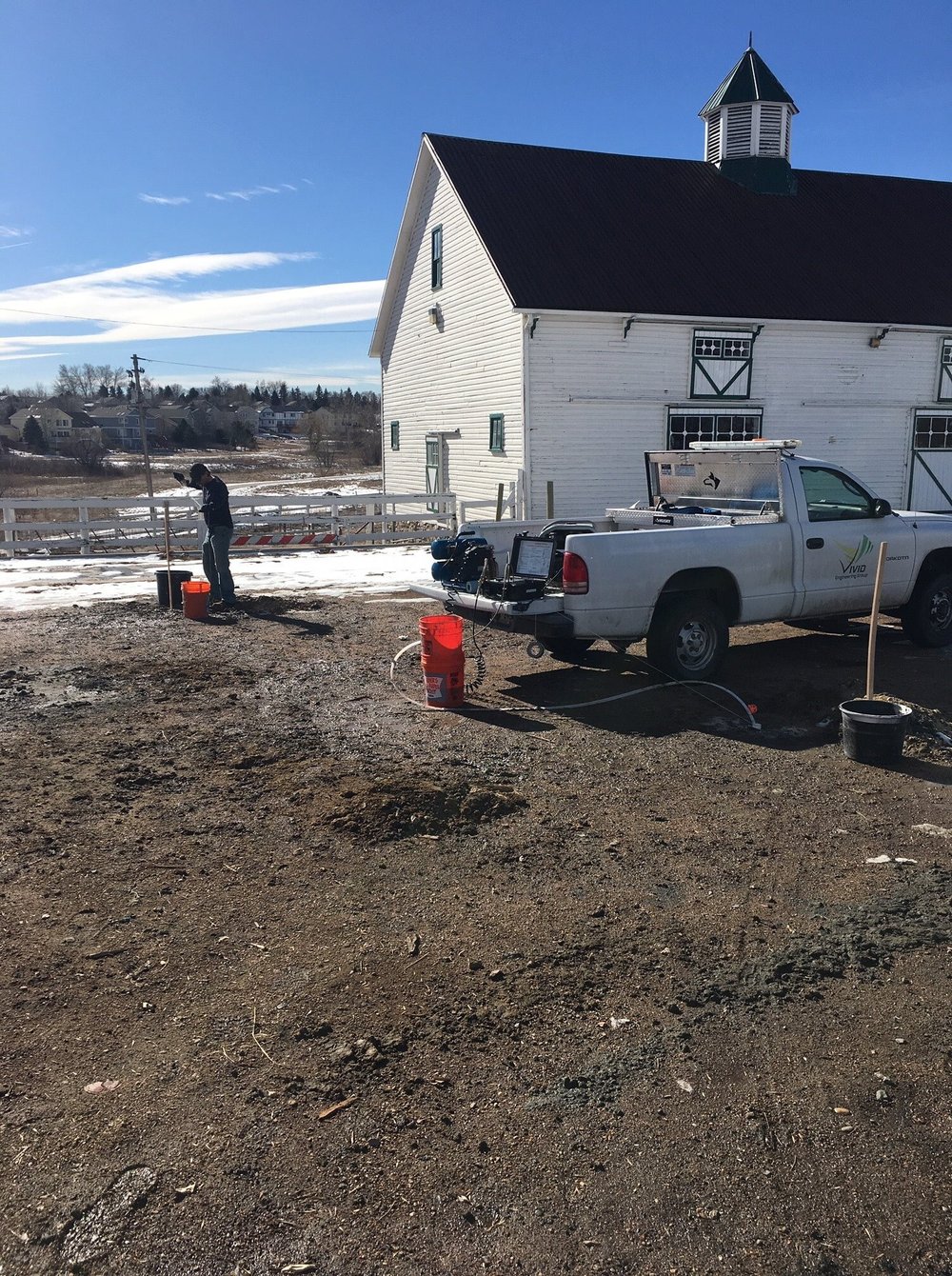
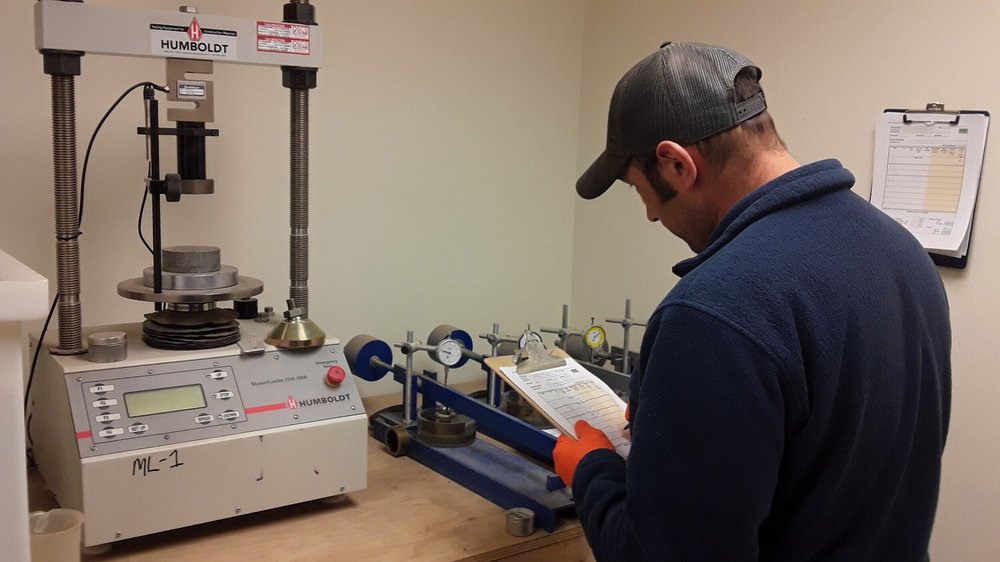
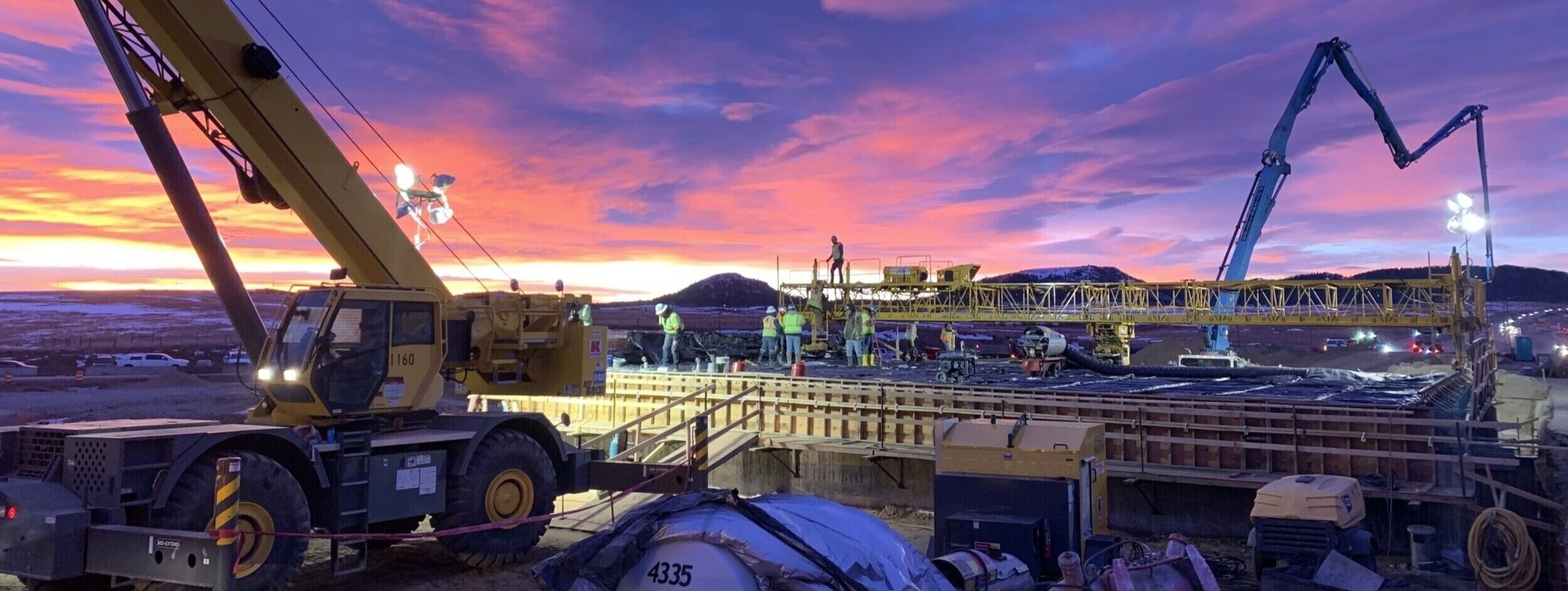
Vivid Engineering Group provides field and laboratory materials testing across both construction packages, working alongside Kraemer and CDOT Region 4. Our technicians sample and test soils, aggregate base course, concrete paving (PCCP), structural concrete for bridge decks, caissons, and drainage structures, and asphalt, performing CDOT owner acceptance sampling and testing to verify that every material placed meets specification, with samples run through Vivid’s AASHTO-accredited Colorado laboratories. On site since 2024, the team has supported early-morning fast-track paving pours, bridge deck placements, caisson pours, and embankment work — keeping acceptance testing and documentation moving at the pace of one of the fastest-moving corridor projects in the state.

Project Details

  • Client

    Colorado Department of Transportation (Region 4)

  • Contractor

    Kraemer North America

  • Location

    Boulder County, CO – CO 119 (Diagonal Highway) between Foothills Parkway (Boulder) and Hover Street (Longmont), MM 44.5-54.5

  • Project Value

    $165 million

  • Timeline

    Construction began September 2024 | Expected completion Spring 2027

  • Sector

    Transportation

  • Services

    Construction Inspection & Testing

  • Transportation

    I-25 South Gap Project: Monument To Castle Rock

    I-25, Monument to Castle Rock, CO (18 miles)

    For years, the 18-mile stretch of I-25 between Monument and Castle Rock was the only four-lane section left between Denver and Colorado Springs — a congested, crash-prone bottleneck known simply as "the Gap." CDOT's $350 million I-25 South Gap Project, delivered through the CM/GC method with Kraemer North America, widened the interstate to three lanes in each direction with a new express lane, reconstructed five bridges, extended ramps, built five wildlife crossings to reduce animal-vehicle collisions, and placed a new pavement overlay along the full length of the corridor. Construction ran from 2018 through 2022. Partnering with Rocksol Consulting Group, Vivid Engineering provided owner's acceptance inspection and materials testing for CDOT on the project. Vivid inspectors and technicians covered drainage features, retaining walls, bridge structures — including caisson and bedrock observations at the new bridge foundations — and pavements, along with test pits and DCP testing to confirm subgrade conditions, verifying that the work met CDOT's standards on one of the most heavily traveled corridors in the state.

  • Transportation

    Academy Boulevard Improvements

    South Academy Boulevard, Bijou Street to Airport Road, Colorado Springs, CO

    South Academy Boulevard is one of Colorado Springs' hardest-working arterials, and decades of heavy traffic had left its pavement, concrete, and drainage in poor condition. The City's $62.5 million South Academy Boulevard Improvements Project, funded through the voter-approved Pikes Peak Rural Transportation Authority, is rebuilding 18 lane miles in two segments — Bijou Street to Airport Road, and East Fountain Boulevard to Jet Wing Drive. The work replaces worn pavement and base, rebuilds curb and gutter, adds a multi-use path, relocates Colorado Springs Utilities water and wastewater lines, and installs new inlets, manholes, and storm pipe to end chronic standing water. Vivid Engineering leads quality assurance testing and is part of the inspection team for the project. Our technicians sample and test soils, aggregate base, concrete, and asphalt as each phase goes in, keeping results in the contractor's hands so work can keep moving through a corridor that stays open to traffic throughout construction. Segment 1 wrapped up in 2024, with the southern segment scheduled for completion in 2026.

  • Transportation

    I-70 Floyd Hill to Chief Hosa Resurfacing

    I-70, Chief Hosa to Floyd Hill (MP 246.5 to 252.9), Jefferson and Clear Creek counties, CO

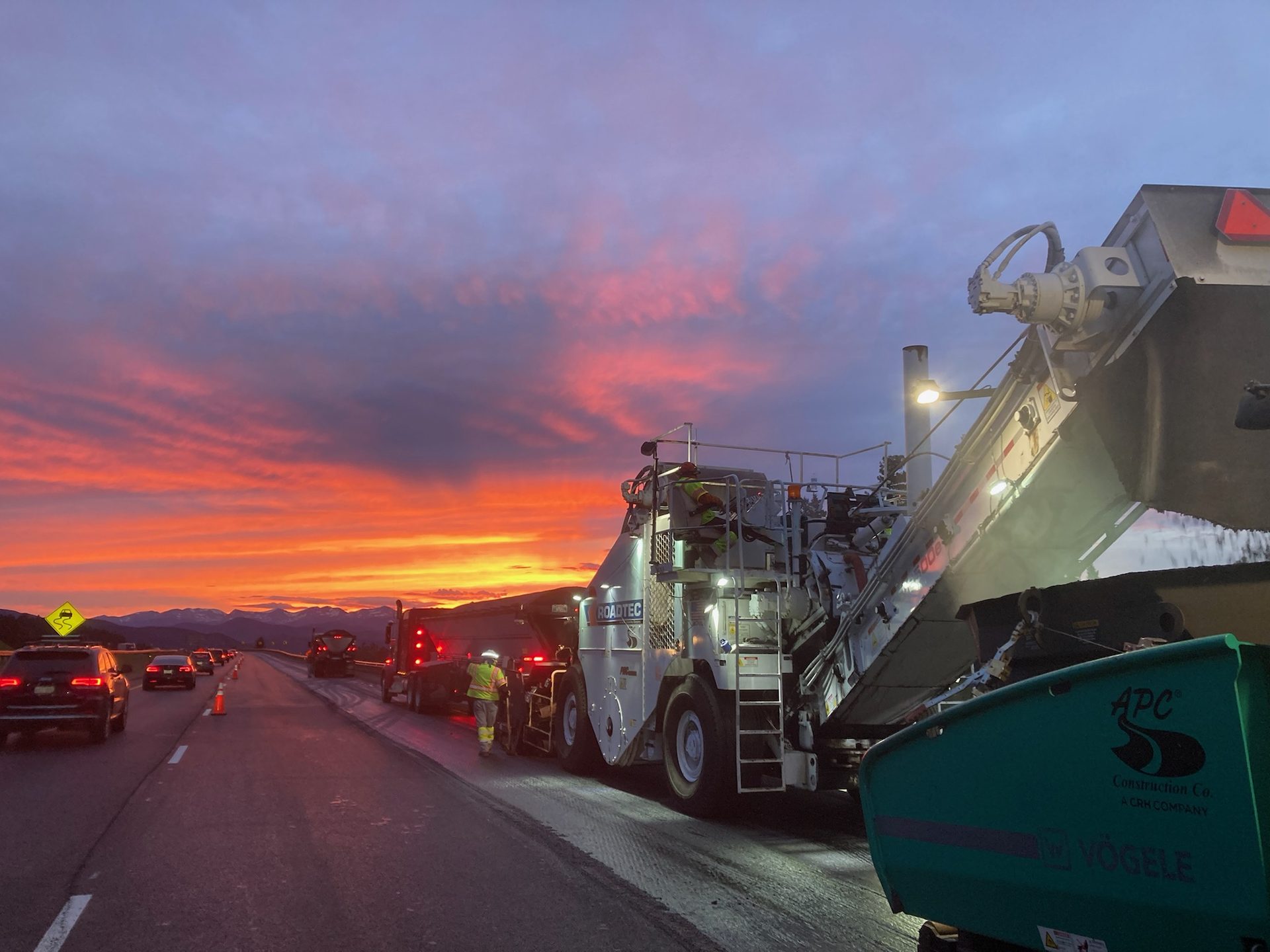
    Between Floyd Hill and Chief Hosa, I-70 climbs through the Front Range foothills carrying ski traffic, freight, and daily commuters in and out of the mountains — and its pavement had reached the end of its life. CDOT's $12.8 million resurfacing project rehabilitated 6.4 miles of the interstate (MP 246.5–252.9) through Jefferson and Clear Creek Counties, milling off deteriorated pavement and repaving both directions in stone matrix asphalt (SMA) — the durable, rut-resistant surfacing CDOT reserves for its hardest-working corridors. With no practical detour around this stretch of the mountains, contractor APC Construction completed all paving in a single season, almost entirely under nighttime lane closures, then returned the following season for guardrail replacement, culvert cleaning, signage, and striping. Working directly for CDOT, Vivid Engineering Group provided construction inspection, QA/QC administration, and field and laboratory owner acceptance materials testing across the project. SMA is one of the most demanding mixes to test — gap-graded, fiber-stabilized, and unforgiving on volumetrics — so Vivid ran the entire laboratory acceptance program from its on-site field lab, turning results while the mat was still going down. Vivid inspectors and certified technicians worked the night closures alongside the paving crews, verifying mix temperatures, compaction, and placement in real time; high-altitude paving windows, mountain weather, and live interstate traffic made every shift count, and Vivid's team kept acceptance testing and documentation moving on the contractor's schedule so the corridor reopened to full capacity every morning.

Have a project with conditions like these?

Talk with the engineers and inspectors who work on projects just like this every day.